


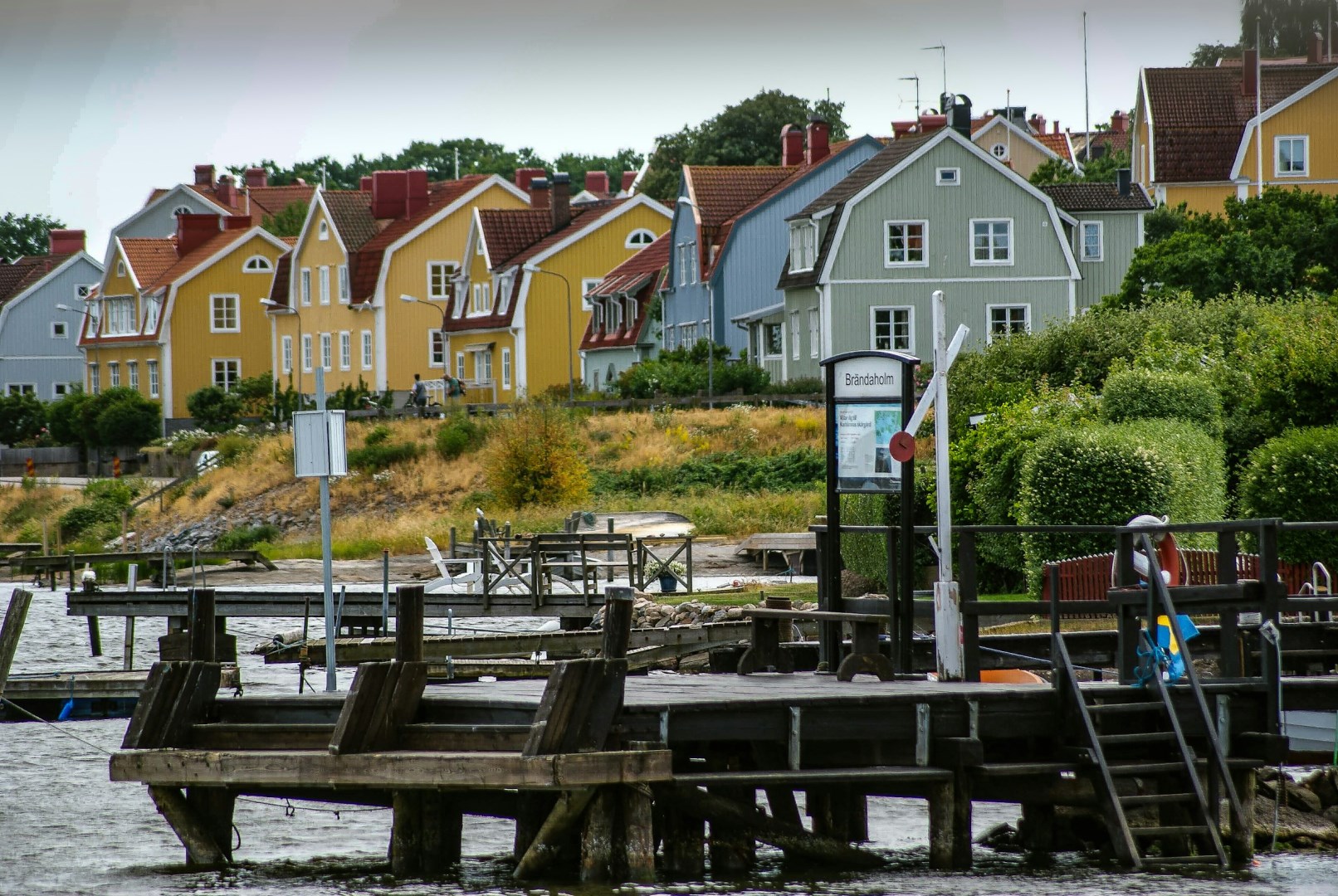
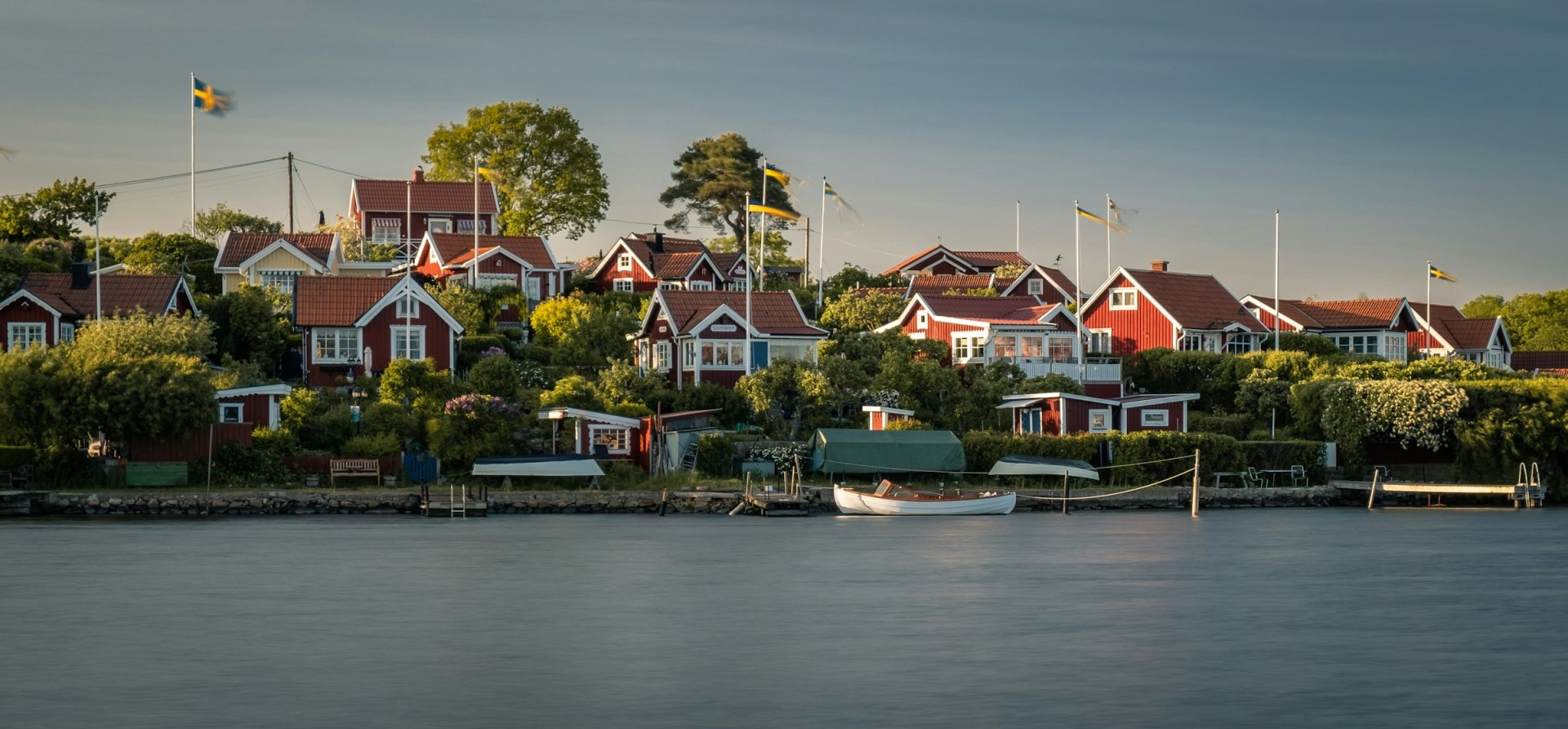
Karlskrona is a coastal city in southeastern Sweden, spread across islands and peninsulas in the Blekinge archipelago. Founded as a naval base, it was carefully planned around the needs of Sweden’s fleet, and its historic naval environment remains central to the city’s identity. The central island of Trossö contains the main urban district, while nearby islands and waterfronts provide a close connection to the Baltic Sea. Karlskrona’s combination of naval facilities, baroque planning, wooden buildings, open water, and rocky islands makes it distinct among Swedish coastal cities.
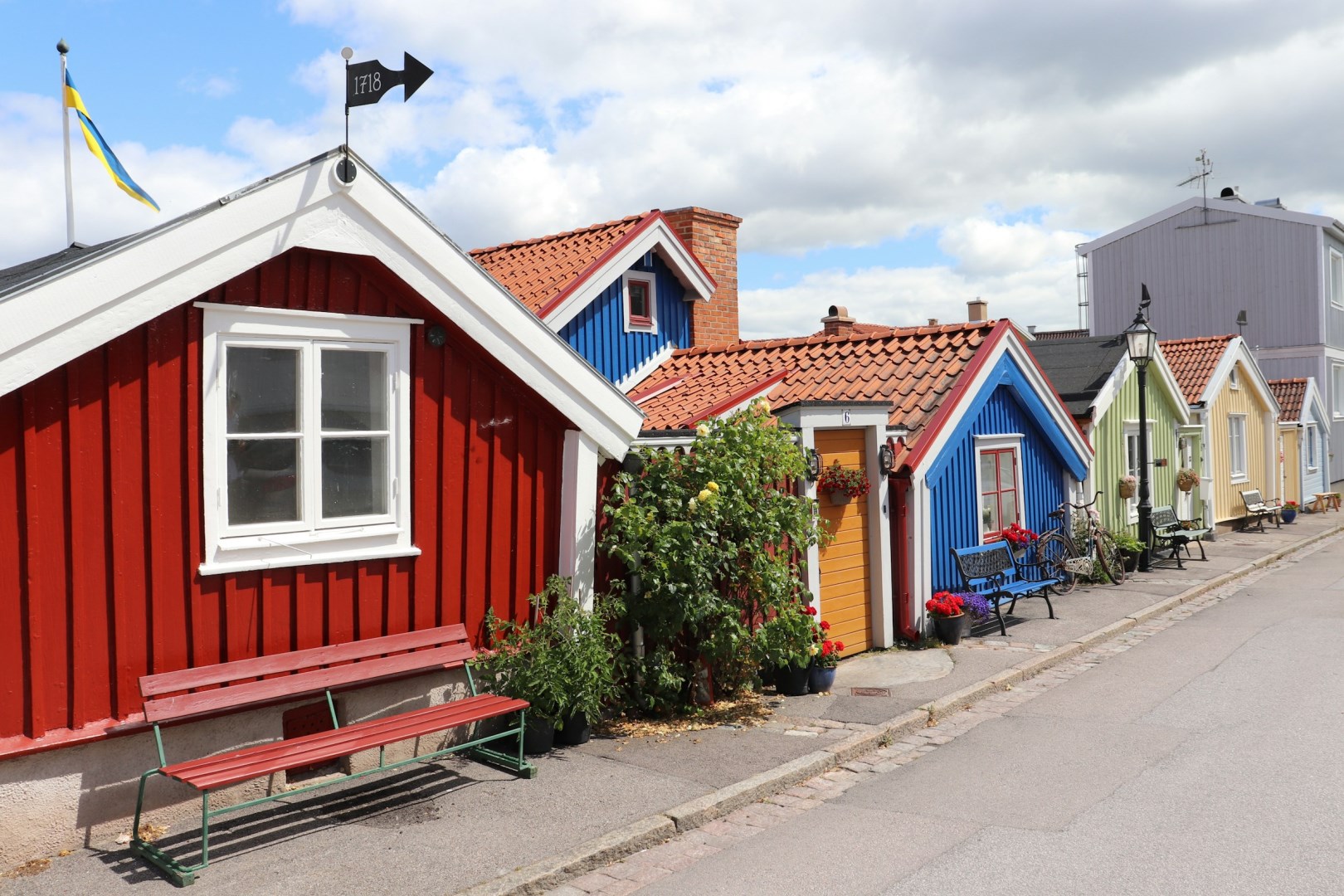
Naval heritage shapes much of Karlskrona’s culture and architecture. The Naval Port, shipyard, fortifications, and military buildings form part of the UNESCO-listed Naval Port of Karlskrona, whose planned landscape illustrates the development of a European naval city. The Naval Museum on Stumholmen presents Swedish maritime and naval history, including historic vessels and a submarine collection. Fredrikskyrkan and Trefaldighetskyrkan dominate the central Stortorget, while the old Admiralty Church, known as Amiralitetskyrkan, is one of the city’s best-known wooden buildings. Traditional wooden quarters on nearby streets add another layer to Karlskrona’s historic character.
The surrounding archipelago provides a varied coastal landscape of rocky islands, forests, bays, and open Baltic waters. Boats and ferries connect Karlskrona with several islands, including Aspö, where visitors can explore the island by bicycle and see Drottningskär Citadel. The island of Sturkö offers beaches, woodland, and coastal walking, while Utklippan, farther offshore, is known for its lighthouse and isolated position in the Baltic. Within the city, Stumholmen and nearby waterfront areas provide walking routes and views across the harbor. The archipelago also supports marine and bird habitats that are important to the region.
Food in Karlskrona reflects the city’s coastal location, with fish, shellfish, and other seafood appearing frequently on local menus. The surrounding Blekinge region is also known for produce such as potatoes and strawberries, which feature in seasonal cooking. One unusual local detail is the naval tradition of the Karlskrona “ropewalk,” where a long building was used for manufacturing ropes needed by the fleet. The historic ropewalk remains part of the naval heritage environment. Today, cafés and restaurants occupy parts of the old city, while the harbor and naval facilities continue to give Karlskrona a strong maritime presence.
Other Popular Destinations in Sweden

